

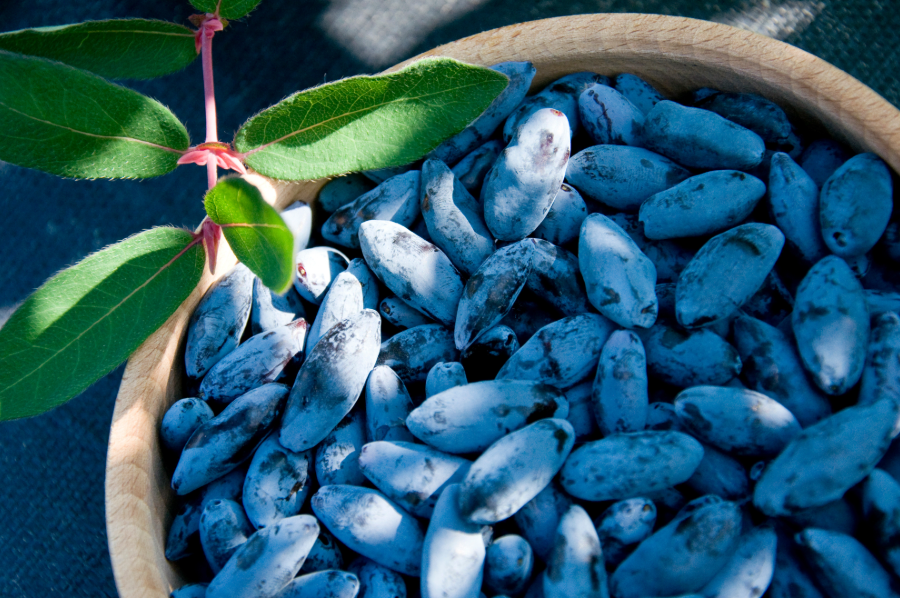

What is healthy ageing and metabolic health?
Healthy ageing and metabolic health are about keeping your body working well as you get older. This includes having steady energy, supporting your heart and blood circulation, maintaining a healthy weight, and helping your body process the foods you eat efficiently.
As we age, natural changes in the body can make it harder to stay energetic and feel our best. Supporting your metabolism through a balanced diet, regular movement, and other healthy lifestyle habits can help you feel vibrant and maintain overall wellbeing for longer.
Everyday steps for healthy ageing & metabolism
- Move daily: Regular activity such as walking, resistance training, or other enjoyable exercises helps keep your body strong and supports energy levels.
- Eat smart: Enjoy a variety of vegetables, fruits, whole grains, beans, nuts, olive oil, and fish. Diets rich in these foods, such as the Mediterranean pattern, are associated with supporting overall wellbeing and healthy ageing.
- Prioritise sleep and manage stress: Quality sleep and finding ways to relax help your body function at its best.
- Add colourful, polyphenol-rich foods: Including foods like dark berries as part of a varied, balanced diet can contribute to everyday wellbeing.
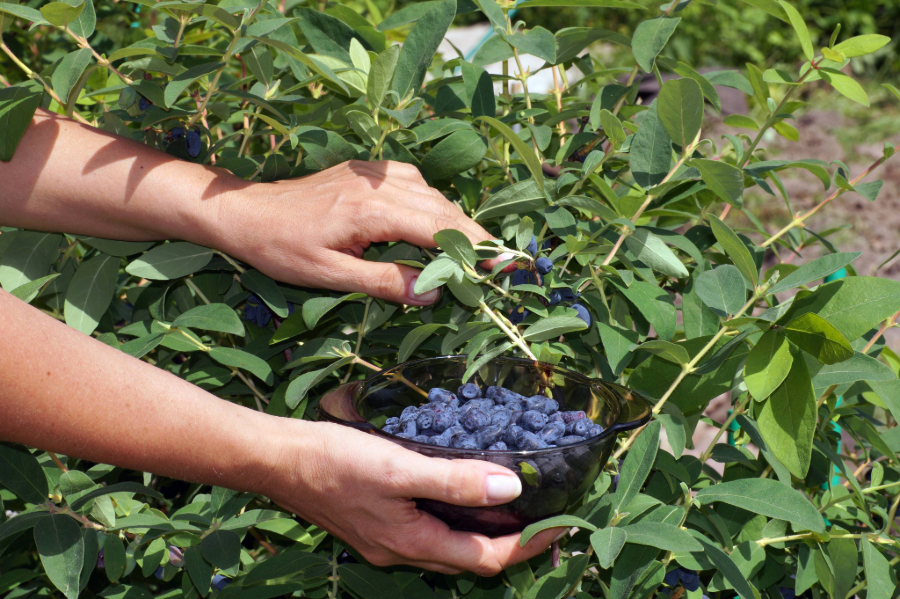
Bringing more colour to your diet with anthocyanin-rich berries
Anthocyanins are naturally occurring plant compounds, belonging to the wider polyphenol family. They are responsible for the deep blue and purple colours found in many berries and are recognised for their antioxidant properties.
What are anthocyanins?
Research continues to explore the role of anthocyanin-rich foods within overall dietary patterns. Diets that include a wide variety of colourful plant foods are consistently associated with positive long-term health outcomes, particularly when enjoyed as part of a varied, balanced diet and healthy lifestyle.
How much anthocyanin do you need?
Although there is still no agreed daily intake value for anthocyanins, a recent review paper recommended that we eat 50mg anthocyanins per day for optimal benefit. Most people in northern European counties, including the UK consume much lower amounts. So, taking just one to two teaspoons of Haskap Berry Powder, each day will give you your daily anthocyanin boost.

Easy ways to add Haskapa to your routine
Haskapa Berry Powder offers a simple way to include anthocyanins and other naturally occurring polyphenols in your everyday meals — without major changes to the way you eat.
Stir into yoghurt, kefir or porridge at breakfast to complement a balanced start to the day alongside protein and fibre.
Blend into smoothies with leafy greens, oats or nuts for a colourful, plant-rich snack.
Sprinkle over salads or mix into dressings to add depth of flavour and natural berry colour, pairing well with ingredients such as olive oil, seeds or wholegrains.

The berry of long life?
The indigenous Ainu people of Hokkaido in Northern Japan considered the haskap as “the berry of long life.” They used the berries in traditional medicine to treat various ailments. The Ainu believed the berries improved vision, especially night vision, and contributed to overall health and longevity.
Today, haskap continues to attract interest due to its rich natural colour and polyphenol content, and it is increasingly enjoyed as part of a varied, balanced diet. Its long-standing cultural reputation highlights how this distinctive berry has been appreciated for generations as a symbol of nourishment and vitality.
Our product collection
-

Haskapa Superfood Berry Powder
shop powderAn easy-to-use powder with a naturally concentrated berry profile, blending easily into yoghurt, porridge, and smoothies.
-

Haskapa Organic Superfood Berry Powder
Shop organic powderOrganic version of our signature pure berry powder. This organic freeze-dried haskap berry powder is made with the whole berry and nothing else added.
-

The Haskapa Storage Jar
shop haskapa jarCrafted from unique violet-tinted glass, this jar is more than just stylish. Its special design blocks out harmful light and moisture, keeping your berry powder fresh and protected.




Why should berries feature regularly in our diets?
"One of the most striking things about berries is their colour. The deep reds, blues, purples and almost-black tones seen in strawberries, blackberries, blackcurrants, raspberries — and especially haskap berries — reflect the presence of naturally occurring plant compounds called polyphenols, which the berry produces for its own protection and which we benefit from when we eat them.
Within this broad family, berries are particularly known for their flavonoid content — and specifically anthocyanins, the pigments responsible for those intense blue and purple hues. Interest in flavonoid-rich foods has grown considerably in nutrition research, particularly within dietary patterns that emphasise plant diversity and minimally processed ingredients.
Including berries such as haskap as part of a varied, balanced diet is a simple way to bring both colour and plant variety to everyday meals."
Julie Weston. Lead Nutritionist, Haskapa
Learn more
-
Learn More
HEALTHY AGEING & METABOLIC HEALTH
-
Learn More
INFLAMMATION & GUT HEALTH
-
Learn More
COGNITIVE FUNCTION & MEMORY
-
Learn More
BLOOD PRESSURE & HEART HEALTH
-
Learn More
NUTRITION & ACTIVE LIFESTYLES

References
Click here to view references
1. Gołba M, Sokół-Łętowska A, Kucharska
AZ. Health properties and composition of honey- suckle berry Lonicera caerulea
L. An update on recent studies. Molecules. 2020;25(3):749.
2. Shimoyama Y, editor. The hascup – An introduction. Hokkaido
Government, IBURI Subprefectural Office, Department of Industrial Promotion,
Agricultural Affairs Division; 2008. Available from: http://www.iburi.pref.hokkaido.lg.jp/ss/num/hasukappu.htm
3. Thompson MM. Introducing haskap, Japanese blue honeysuckle. J
Am Pomol Soc. 2006;60(4):164–8.
4. Rupasinghe HPV, Arumuggam N, Amararathna M, De Silva ABKH.
The potential health benefits of haskap (Lonicera caerulea L.): Role of
cyanidin-3-O-glucoside. J Funct Foods. 2018;44:24–39.
5. De Silva ABKH, Rupasinghe HPV. Polyphenols composition and
antidiabetic properties in vitro of haskap (Lonicera caerulea L.) berries in
relation to cultivar and harvesting date. J Food Compos Anal. 2020;88:103402.
6. Igwe E, Charlton K, Probst Y. Usual dietary anthocyanin
intake, sources and their association with blood pressure in a representative
sample of Australian adults. J Hum Nutr Diet. 2019;32:10.1111/jhn.12647.
7. Kalt W, Cassidy A, Howard LR, Krikorian R, Stull AJ, Tremblay
F, Zamora-Ros R. Recent research on the health benefits of blueberries and
their anthocyanins. Adv Nutr. 2019 Jul 22;nmz065. https://doi.org/10.1093/advances/nmz065
8. Cassidy A, Mukamal KJ, Liu L, Franz M, Eliassen AH, Rimm EB.
High anthocyanin intake is associated with a reduced risk of myocardial
infarction in young and middle-aged women. Circulation. 2013;127(2):188–96.
9. Cassidy A, Bertoia M, Chiuve S, Flint A, Forman J, Rimm EB.
Habitual intake of anthocyanins and flavanones and risk of cardiovascular
disease in men. Am J Clin Nutr. 2016;104:587–94.
10. Cassidy A, O’Reilly ÉJ, Kay C, Sampson L, Franz M, Forman
JP, et al. Habitual intake of flavonoid subclasses and incident hypertension in
adults. Am J Clin Nutr. 2011;93(2):338– 47.
11. Devore EE, Kang JH, Breteler MM, Grodstein F. Dietary
intakes of berries and flavonoids in relation to cognitive decline. Ann Neurol.
2012;72(1):135–43.
12. Ahles S, Joris PJ, Plat J. Effects of berry anthocyanins on
cognitive performance, vascular function and cardiometabolic risk markers: A
systematic review of randomized placebo- controlled intervention studies in
humans. Int J Mol Sci. 2021;22(12):6482.
13. Jacques PF, Au R, Blumberg JB, Rogers GT, Shishtar E.
Long-term dietary flavonoid intake and risk of Alzheimer’s disease and related
dementias in the Framingham Offspring Cohort. Am J Clin Nutr. 2020.
doi:10.1093/ajcn/nqaa079.
14. Biswas D, Sarkar S, De Silva ABKH, D’Souza K, Kienesberger
P, Rupasinghe HPV, Pulinilkunnil T. Cyanidin-3-O-glucoside rich extract from
haskap berry improves glucose homeostasis and insulin sensitivity in
diet-induced obese mice. Can J Diabetes. 2018;42(5):S55.
doi:10.1016/j.jcjd.2018.08.16.
15. Bell L, Williams CM. A pilot dose–response study of the
acute effects of haskap berry extract (Lonicera caerulea L.) on cognition,
mood, and blood pressure in older adults. Eur J Nutr. 2018.
doi:10.1007/s00394-018-1877-9. https://doi.org/10.1007/s00394-018-1877-9
16. Howatson G, Snaith GC, Kimble R, Cowper G, Keane KM.
Improved endurance running performance following haskap berry (Lonicera
caerulea L.) ingestion. Nutrients. 2022;14(4):780. doi:10.3390/nu14040780. https://www.haskapa.com/pages/haskapa-and-sports-research