


What do we mean by an active lifestyle?
An active lifestyle describes patterns of regular movement and physical activity that place ongoing demands on the body. This may include structured exercise, such as running or gym-based training, as well as recreational, occupational, or everyday activities that involve sustained physical effort.
People with active lifestyles often have nutritional needs shaped by higher levels of energy expenditure and physical loading. Food choices in this context are typically guided by practicality, nutrient density, and how well they integrate into existing routines.
Why nutrition matters?
A wide range of whole foods contribute to supporting an active lifestyle. Fruits, vegetables, grains, and other plant-based foods provide carbohydrates, fibre, protein and a spectrum of naturally occurring micro-nutrients and bioactive compounds. These components are present in different proportions across foods, making dietary diversity essential.
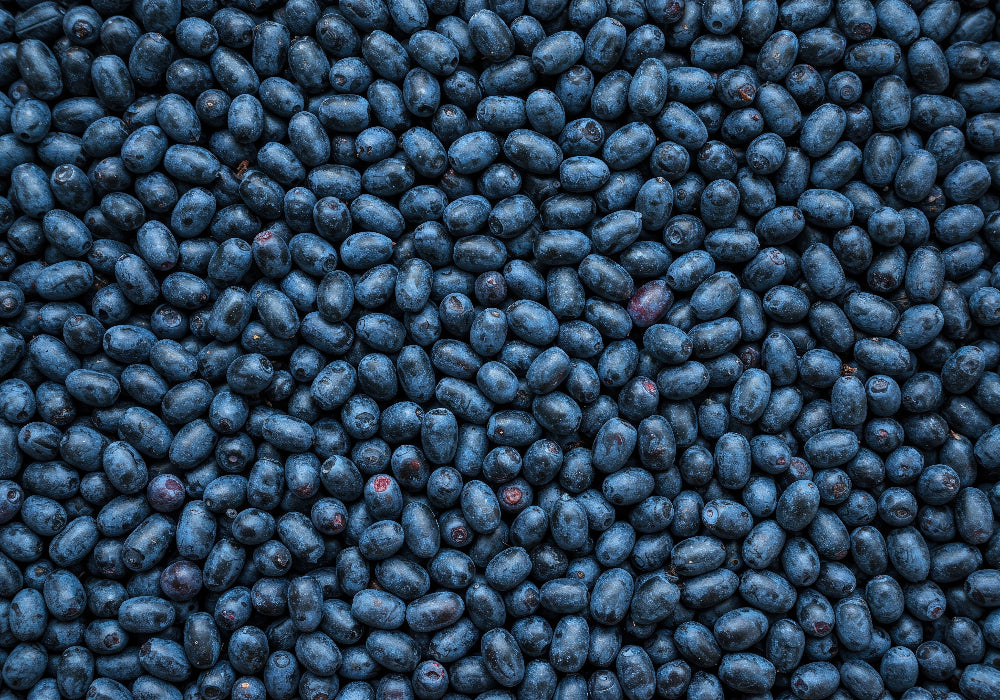
Within this broader nutritional landscape, certain plant foods have been studied more closely because of their naturally high levels of specific compounds. Deeply pigmented berries, for example, are rich in anthocyanins — a class of polyphenols that has been widely examined in human nutrition research.
It is within this context of whole-diet patterns and physically active populations that anthocyanin-rich foods have been explored, including in small, controlled research studies involving recreational runners.
The study:
Haskapa Berry Powder was examined in an exploratory, double-blind, placebo-controlled study conducted in collaboration with Northumbria University. The study involved recreational runners and was designed to observe outcomes under controlled exercise conditions when the ingredient was incorporated alongside participants’ habitual diet and training routines.
The research measured established exercise parameters, including time to fatigue and performance, during high-intensity treadmill running, across a standardised 5km run protocol.
Interpreting the findings
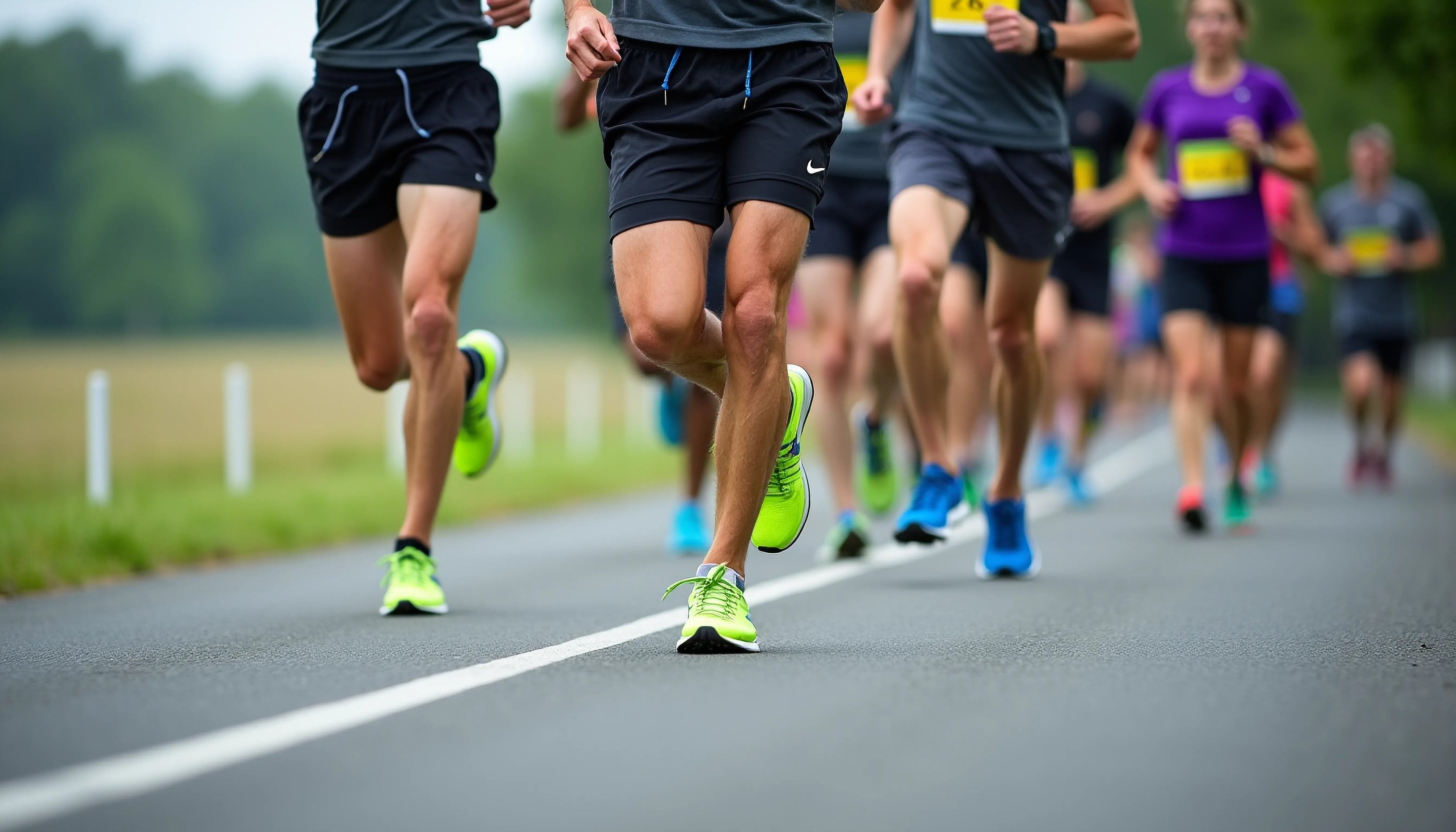
Under these specific study conditions, mean completion time during the 5 km run was around 20 seconds lower in the anthocyanin rich Haskapa Berry Powder condition compared with the control condition. A longer time to fatigue (reach point of exhaustion) was also recorded during a separate high-intensity treadmill test.
These results represent observations made within a controlled research setting and relate only to the defined study population and protocol. They do not imply that consumption of anthocyanin-rich foods will produce similar outcomes in all individuals or outside of the study conditions.
Glyn Howatson, Professor in Human and Applied Physiology at Northumbria University reported, “What is exciting is that this is a food that can be easily consumed, is very palatable, and has the potential to improve athletic performance in running, but also perhaps in other endurance sports like cycling. What we really like about these applied studies is that we are unlocking the power of fruits, like haskap berries, to understand how they can directly benefit athletes.”
What are anthocyanins?
Anthocyanins are powerful plant compounds found in many berries, giving them their rich purple, blue, and red colours in fruits and vegetables.
These natural pigments are part of what makes berries a popular choice for a healthy, balanced diet and are often associated with antioxidant-rich foods that support overall well‑being.
Including a variety of berries as part of a varied, nutrient‑rich diet may help support a healthy lifestyle, including aspects of cardiovascular health such as maintaining healthy blood pressure, when combined with other healthy habits.
How much anthocyanin do you need?
Although there is still no agreed daily intake value for anthocyanins, a recent review paper recommended that we eat 50mg anthocyanins per day for optimal benefit. Most people in northern European counties, including the UK consume much lower amounts. So, taking just one to two teaspoons of Haskap Berry Powder, each day will give you your daily anthocyanin boost.

Adding haskap Berries to an active lifestyle
Including berries in your routine can be an easy way to bring colour and plant variety to meals around training. They naturally contain carbohydrates, fibre and anthocyanins, making them a versatile option before or after activity.
Before exercise, try blending haskap into a smoothie, stirring through yoghurt and granola, or enjoying alongside toast for a light, fruit-based option. After training, they pair well with protein-rich foods such as Greek yoghurt, cottage cheese or a smoothie, fitting easily into balanced meals and snacks within an active lifestyle.

The berry of long life?
The indigenous Ainu people of Hokkaido in Northern Japan considered the haskap as “the berry of long life.” They used the berries and their extracts in traditional medicine to treat various ailments, including inflammation and infection. The Ainu believed the berries improved vision, especially night vision, and contributed to overall health and longevity. Today, modern research suggests that many of these traditional uses—particularly their anti-inflammatory and antioxidant properties—may also support heart and circulatory health, highlighting the berry’s enduring reputation as a longevity-promoting superfruit.
Our product collection
-

Haskapa Superfood Berry Powder
shop powderAn easy-to-use powder with a naturally concentrated berry profile, blending easily into yoghurt, porridge, and smoothies.
-

Haskapa Organic Superfood Berry Powder
Shop organic powderOrganic version of our signature pure berry powder. This organic freeze-dried haskap berry powder is made with the whole berry and nothing else added.
-

The Haskapa Storage Jar
shop haskapa jarCrafted from unique violet-tinted glass, this jar is more than just stylish. Its special design blocks out harmful light and moisture, keeping your berry powder fresh and protected.


Top Tips & Takeways
-
Prioritise endurance
Consistent aerobic training, strength work, sleep, and recovery habits build the foundation for long‑lasting endurance and may help reduce injury risk over time.
-
Fuel smart for long sessions
Before and after workouts, choose carbohydrates for energy and protein for repair, using berries as a light, easily digested source of carbs plus antioxidants.
-
Balance activity with recovery and rest
Active health is shaped not only by movement and food choices, but also by adequate rest, hydration, and recovery practices. These factors are often considered together in lifestyle research involving physically active populations.
-
Use functional foods as complements, not shortcuts
Functional foods, including anthocyanin-rich berry products, are designed to sit alongside everyday meals. They are best viewed as one element within a varied and balanced diet, rather than a replacement for whole foods or lifestyle habits.
-
Include naturally pigmented plant foods regularly
Deeply coloured fruits and vegetables — such as berries, red cabbage, and purple sweet potatoes — naturally contain anthocyanins and other polyphenols.
-
Choose formats that fit your routine
Foods that are easy to prepare and incorporate — such as frozen fruit, powders, or blended options like smoothies — can help maintain consistency, especially around busy or physically demanding days.


Why should berries feature regularly in our diets?
"One of the most striking things about berries is their colour. The deep reds, blues, purples and almost-black tones seen in strawberries, blackberries, blackcurrants, raspberries — and especially haskap berries — reflect the presence of naturally occurring plant compounds called polyphenols, which the berry produces for its own protection and which we benefit from when we eat them.
Within this broad family, berries are particularly known for their flavonoid content — and specifically anthocyanins, the pigments responsible for those intense blue and purple hues. Interest in flavonoid-rich foods has grown considerably in nutrition research, particularly within dietary patterns that emphasise plant diversity and minimally processed ingredients.
Including berries such as haskap as part of a varied, balanced diet is a simple way to bring both colour and plant variety to everyday meals."
Julie Weston. Lead Nutritionist, Haskapa
Learn more
-
Learn More
HEALTHY AGEING & METABOLIC HEALTH
-
Learn More
INFLAMMATION & GUT HEALTH
-
Learn More
COGNITIVE FUNCTION & MEMORY
-
Learn More
BLOOD PRESSURE & HEART HEALTH
-
Learn More
NUTRITION & ACTIVE LIFESTYLES

References
Click here to view references
1. Gołba M, Sokół-Łętowska A, Kucharska
AZ. Health properties and composition of honey- suckle berry Lonicera caerulea
L. An update on recent studies. Molecules. 2020;25(3):749.
2. Shimoyama Y, editor. The hascup – An introduction. Hokkaido
Government, IBURI Subprefectural Office, Department of Industrial Promotion,
Agricultural Affairs Division; 2008. Available from: http://www.iburi.pref.hokkaido.lg.jp/ss/num/hasukappu.htm
3. Thompson MM. Introducing haskap, Japanese blue honeysuckle. J
Am Pomol Soc. 2006;60(4):164–8.
4. Rupasinghe HPV, Arumuggam N, Amararathna M, De Silva ABKH.
The potential health benefits of haskap (Lonicera caerulea L.): Role of
cyanidin-3-O-glucoside. J Funct Foods. 2018;44:24–39.
5. De Silva ABKH, Rupasinghe HPV. Polyphenols composition and
antidiabetic properties in vitro of haskap (Lonicera caerulea L.) berries in
relation to cultivar and harvesting date. J Food Compos Anal. 2020;88:103402.
6. Igwe E, Charlton K, Probst Y. Usual dietary anthocyanin
intake, sources and their association with blood pressure in a representative
sample of Australian adults. J Hum Nutr Diet. 2019;32:10.1111/jhn.12647.
7. Kalt W, Cassidy A, Howard LR, Krikorian R, Stull AJ, Tremblay
F, Zamora-Ros R. Recent research on the health benefits of blueberries and
their anthocyanins. Adv Nutr. 2019 Jul 22;nmz065. https://doi.org/10.1093/advances/nmz065
8. Cassidy A, Mukamal KJ, Liu L, Franz M, Eliassen AH, Rimm EB.
High anthocyanin intake is associated with a reduced risk of myocardial
infarction in young and middle-aged women. Circulation. 2013;127(2):188–96.
9. Cassidy A, Bertoia M, Chiuve S, Flint A, Forman J, Rimm EB.
Habitual intake of anthocyanins and flavanones and risk of cardiovascular
disease in men. Am J Clin Nutr. 2016;104:587–94.
10. Cassidy A, O’Reilly ÉJ, Kay C, Sampson L, Franz M, Forman
JP, et al. Habitual intake of flavonoid subclasses and incident hypertension in
adults. Am J Clin Nutr. 2011;93(2):338– 47.
11. Devore EE, Kang JH, Breteler MM, Grodstein F. Dietary
intakes of berries and flavonoids in relation to cognitive decline. Ann Neurol.
2012;72(1):135–43.
12. Ahles S, Joris PJ, Plat J. Effects of berry anthocyanins on
cognitive performance, vascular function and cardiometabolic risk markers: A
systematic review of randomized placebo- controlled intervention studies in
humans. Int J Mol Sci. 2021;22(12):6482.
13. Jacques PF, Au R, Blumberg JB, Rogers GT, Shishtar E.
Long-term dietary flavonoid intake and risk of Alzheimer’s disease and related
dementias in the Framingham Offspring Cohort. Am J Clin Nutr. 2020.
doi:10.1093/ajcn/nqaa079.
14. Biswas D, Sarkar S, De Silva ABKH, D’Souza K, Kienesberger
P, Rupasinghe HPV, Pulinilkunnil T. Cyanidin-3-O-glucoside rich extract from
haskap berry improves glucose homeostasis and insulin sensitivity in
diet-induced obese mice. Can J Diabetes. 2018;42(5):S55.
doi:10.1016/j.jcjd.2018.08.16.
15. Bell L, Williams CM. A pilot dose–response study of the
acute effects of haskap berry extract (Lonicera caerulea L.) on cognition,
mood, and blood pressure in older adults. Eur J Nutr. 2018.
doi:10.1007/s00394-018-1877-9. https://doi.org/10.1007/s00394-018-1877-9
16. Howatson G, Snaith GC, Kimble R, Cowper G, Keane KM.
Improved endurance running performance following haskap berry (Lonicera
caerulea L.) ingestion. Nutrients. 2022;14(4):780. doi:10.3390/nu14040780. https://www.haskapa.com/pages/haskapa-and-sports-research