


What is inflammation and gut health?
Chronic inflammation and poor gut health are increasingly recognized as key factors in overall wellness, immune function, and long-term disease prevention. While inflammation plays a critical role in the body’s natural healing process, persistent or high levels of inflammation have been linked to issues such as fatigue, joint pain, and digestive discomfort. Many people now search for natural ways to reduce inflammation through lifestyle and dietary changes.
Gut health is central to this process. The gut is home to trillions of beneficial bacteria — known as the gut microbiome — which influence digestion, nutrient absorption, and immune balance. When the gut lining or microbial diversity is compromised, symptoms like bloating, irregular digestion, and low energy can appear. Current research highlights how a balanced, fibre-rich diet that includes prebiotics, probiotics, and anti-inflammatory foods (such as berries, leafy greens, and omega-3 fats) supports both gut health and reduced inflammation.
For anyone looking to restore gut balance and manage inflammation naturally, focusing on whole foods, staying hydrated, reducing stress, and limiting processed ingredients can make a measurable difference in digestive comfort and overall wellbeing.
A closer look at the gut microbiome
The gut microbiome refers to the vast community of bacteria and other microorganisms that live in the digestive tract. Scientists study how these microbes interact with food components and how they may influence processes such as digestion and vitamin production, as well as their broader relationship with the immune system.
A diverse microbiome typically includes groups of bacteria such as Bifidobacterium and Lactobacillus. These are often discussed in research because of their role in producing short-chain fatty acids — compounds that scientists investigate in relation to gut tissues and digestive function.
Habits linked to gut health and inflammation in research
Diet and lifestyle patterns are widely studied in relation to digestive comfort and long-term wellbeing. Eating fibre-rich foods such as fruits, vegetables, whole grains, beans, nuts and seeds is commonly recommended as part of a balanced diet, and researchers examine how these foods influence the gut microbiome.
Gut bacteria are known to produce compounds called short-chain fatty acids (SCFAs) when fibre is fermented, and scientists continue to investigate how these molecules interact with the digestive system.
Reducing ultra-processed foods, added sugars and excessive alcohol — alongside managing stress, prioritising sleep and staying physically active — are frequently highlighted in public-health guidance for maintaining overall health. Plant-rich diets that include colourful berries, vegetables, herbs, spices and teas are also a major focus of microbiome research, because of the naturally occurring polyphenols they contain.

Colourful Foods and Your Diet
Research suggests that colourful fruit and vegetables may help support a balanced gut microbiome by encouraging beneficial bacteria and helping maintain microbial diversity. The fibres and phytonutrients they contain help nourish the gut environment, contributing to digestive wellbeing.
What are Anthocyanins?
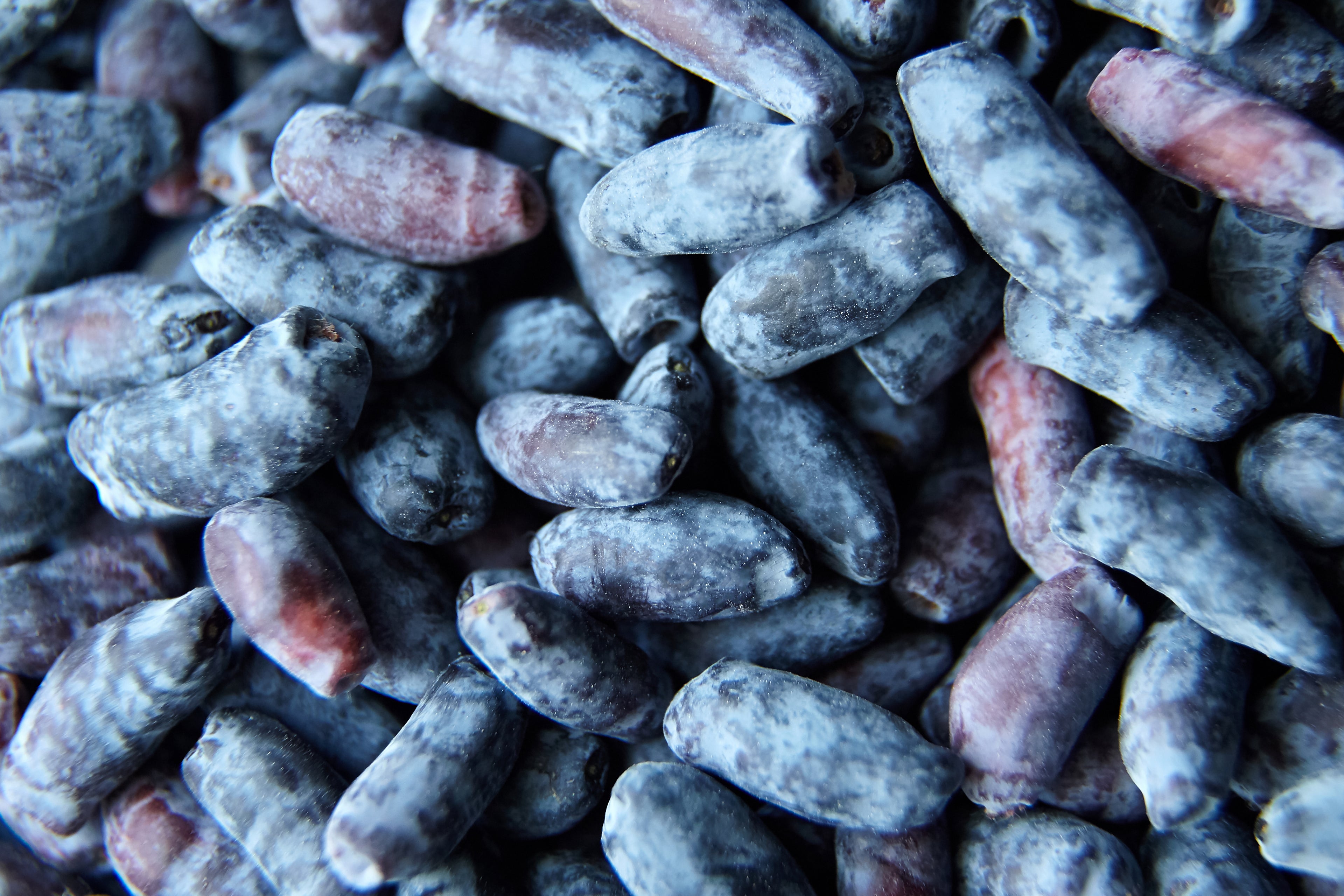
Anthocyanins are naturally occurring plant pigments that give fruits and vegetables their distinctive deep purple, red, and blue colours. These compounds belong to a family of plant nutrients called flavonoids and are found in high concentrations in berries such as blackcurrants, haskap berries, raspberries, and blackberries.
Foods rich in anthocyanins have been the subject of scientific research for many years. Berries and other colourful fruits and vegetables form part of the recommended "5 a day" guidance for fruit and vegetable consumption. Nutrition experts suggest including a wide variety of different types of plant
foods in your diet as part of a balanced, healthy eating pattern to help
support wellbeing.
How Much Anthocyanin Do You Need?
Although there is still no agreed daily intake value for anthocyanins, a recent review paper recommended that we eat 50mg anthocyanins per day for optimal benefit. Most people in northern European counties, including the UK consume much lower amounts. So, taking just one to two teaspoons of Haskap Berry Powder, each day will give you your daily anthocyanin boost.

Simple ways to add Haskapa in your diet
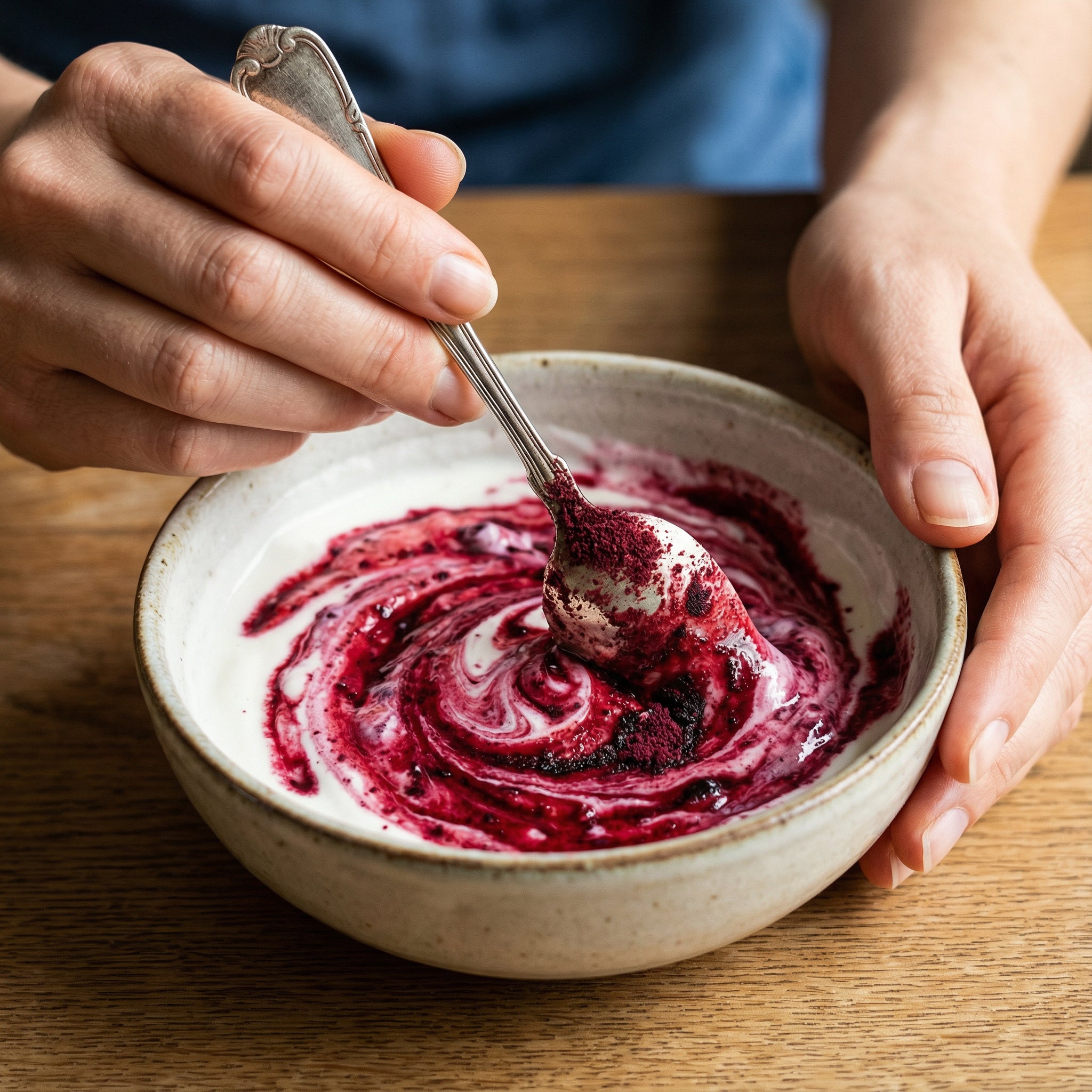
Haskapa powders and products make it simple to add polyphenol-rich plant goodness to your daily routine — no major diet changes needed. Stir a spoonful into yoghurt, kefir or a plant-based alternative, blend into smoothies with oats, nuts or seeds, or sprinkle over porridge and breakfast bowls for a vibrant burst of colour and flavour.
It also works beautifully in overnight oats, dressings and sauces, adding naturally occurring anthocyanins to both sweet and savoury meals. However you use it, Haskapa is an easy way to bring more colourful plant variety into your day as part of a balanced, everyday approach to eating.

The berry of long Life?
The indigenous Ainu people of Hokkaido in Northern Japan considered the haskap as “the berry of long life.” They used the berries in traditional medicine to treat various ailments. The Ainu believed the berries improved vision, especially night vision, and contributed to overall health and longevity.
Today, haskap continues to attract interest due to its rich natural colour and polyphenol content, and it is increasingly enjoyed as part of a varied, balanced diet. Its long-standing cultural reputation highlights how this distinctive berry has been appreciated for generations as a symbol of nourishment and vitality.
Our product collection
-

Haskapa Superfood Berry Powder
shop powderAn easy-to-use powder with a naturally concentrated berry profile, blending easily into yoghurt, porridge, and smoothies.
-

Haskapa Organic Superfood Berry Powder
Shop organic powderOrganic version of our signature pure berry powder. This organic freeze-dried haskap berry powder is made with the whole berry and nothing else added.
-

The Haskapa Storage Jar
shop haskapa jarCrafted from unique violet-tinted glass, this jar is more than just stylish. Its special design blocks out harmful light and moisture, keeping your berry powder fresh and protected.


Top tips & takeways
-
Eat plenty of fibre
Fibre contributes to normal bowel function and helps keep your digestive system working smoothly. Aim for at least 30g of fibre daily from foods like wholegrains, vegetables, fruits, beans, and lentils.
-
Eat a Varied Diet
Nutrition experts recommend including a wide variety of different plant foods in your diet. This includes fruits, vegetables, wholegrains, nuts, seeds, beans, and lentils. Some nutritionists suggest aiming for as many as 30 different types of plant foods each week to maximise dietary diversity.
-
Stay well hydrated
Drinking enough water throughout the day helps your digestive system function properly. Aim for 6-8 glasses of fluid daily and remember that fibre works best when you're well hydrated. Herbal teas also count here.
-
Include fermented foods
Foods like live yoghurt, kefir, sauerkraut, kimchi, and kombucha contain live bacteria. Choose products labelled with "live cultures" or "live bacteria" to ensure they contain active cultures.
-
Eat regularly and mindfully
Try to eat at regular times and chew your
food thoroughly. Eating slowly and without distraction can help your digestive system work more efficiently. -
Add Haskapa to your routine
Stirring Haskapa powder into yoghurt, kefir, smoothies, or oats adds an easy daily boost of gut‑supporting polyphenols alongside a generally high‑fibre, minimally processed diet.


Why should berries feature regularly in our diets?
"One of the most striking things about berries is their colour. The deep reds, blues, purples and almost-black tones seen in strawberries, blackberries, blackcurrants, raspberries — and especially haskap berries — reflect the presence of naturally occurring plant compounds called polyphenols, which the berry produces for its own protection and which we benefit from when we eat them.
Within this broad family, berries are particularly known for their flavonoid content — and specifically anthocyanins, the pigments responsible for those intense blue and purple hues. Interest in flavonoid-rich foods has grown considerably in nutrition research, particularly within dietary patterns that emphasise plant diversity and minimally processed ingredients.
Including berries such as haskap as part of a varied, balanced diet is a simple way to bring both colour and plant variety to everyday meals."
Julie Weston. Lead Nutritionist, Haskapa
Learn more
-
Learn More
HEALTHY AGEING & METABOLIC HEALTH
-
Learn More
INFLAMMATION & GUT HEALTH
-
Learn More
COGNITIVE FUNCTION & MEMORY
-
Learn More
BLOOD PRESSURE & HEART HEALTH
-
Learn More
NUTRITION & ACTIVE LIFESTYLES

References
Click here to view references
1. Gołba M, Sokół-Łętowska A, Kucharska
AZ. Health properties and composition of honey- suckle berry Lonicera caerulea
L. An update on recent studies. Molecules. 2020;25(3):749.
2. Shimoyama Y, editor. The hascup – An introduction. Hokkaido
Government, IBURI Subprefectural Office, Department of Industrial Promotion,
Agricultural Affairs Division; 2008. Available from: http://www.iburi.pref.hokkaido.lg.jp/ss/num/hasukappu.htm
3. Thompson MM. Introducing haskap, Japanese blue honeysuckle. J
Am Pomol Soc. 2006;60(4):164–8.
4. Rupasinghe HPV, Arumuggam N, Amararathna M, De Silva ABKH.
The potential health benefits of haskap (Lonicera caerulea L.): Role of
cyanidin-3-O-glucoside. J Funct Foods. 2018;44:24–39.
5. De Silva ABKH, Rupasinghe HPV. Polyphenols composition and
antidiabetic properties in vitro of haskap (Lonicera caerulea L.) berries in
relation to cultivar and harvesting date. J Food Compos Anal. 2020;88:103402.
6. Igwe E, Charlton K, Probst Y. Usual dietary anthocyanin
intake, sources and their association with blood pressure in a representative
sample of Australian adults. J Hum Nutr Diet. 2019;32:10.1111/jhn.12647.
7. Kalt W, Cassidy A, Howard LR, Krikorian R, Stull AJ, Tremblay
F, Zamora-Ros R. Recent research on the health benefits of blueberries and
their anthocyanins. Adv Nutr. 2019 Jul 22;nmz065. https://doi.org/10.1093/advances/nmz065
8. Cassidy A, Mukamal KJ, Liu L, Franz M, Eliassen AH, Rimm EB.
High anthocyanin intake is associated with a reduced risk of myocardial
infarction in young and middle-aged women. Circulation. 2013;127(2):188–96.
9. Cassidy A, Bertoia M, Chiuve S, Flint A, Forman J, Rimm EB.
Habitual intake of anthocyanins and flavanones and risk of cardiovascular
disease in men. Am J Clin Nutr. 2016;104:587–94.
10. Cassidy A, O’Reilly ÉJ, Kay C, Sampson L, Franz M, Forman
JP, et al. Habitual intake of flavonoid subclasses and incident hypertension in
adults. Am J Clin Nutr. 2011;93(2):338– 47.
11. Devore EE, Kang JH, Breteler MM, Grodstein F. Dietary
intakes of berries and flavonoids in relation to cognitive decline. Ann Neurol.
2012;72(1):135–43.
12. Ahles S, Joris PJ, Plat J. Effects of berry anthocyanins on
cognitive performance, vascular function and cardiometabolic risk markers: A
systematic review of randomized placebo- controlled intervention studies in
humans. Int J Mol Sci. 2021;22(12):6482.
13. Jacques PF, Au R, Blumberg JB, Rogers GT, Shishtar E.
Long-term dietary flavonoid intake and risk of Alzheimer’s disease and related
dementias in the Framingham Offspring Cohort. Am J Clin Nutr. 2020.
doi:10.1093/ajcn/nqaa079.
14. Biswas D, Sarkar S, De Silva ABKH, D’Souza K, Kienesberger
P, Rupasinghe HPV, Pulinilkunnil T. Cyanidin-3-O-glucoside rich extract from
haskap berry improves glucose homeostasis and insulin sensitivity in
diet-induced obese mice. Can J Diabetes. 2018;42(5):S55.
doi:10.1016/j.jcjd.2018.08.16.
15. Bell L, Williams CM. A pilot dose–response study of the
acute effects of haskap berry extract (Lonicera caerulea L.) on cognition,
mood, and blood pressure in older adults. Eur J Nutr. 2018.
doi:10.1007/s00394-018-1877-9. https://doi.org/10.1007/s00394-018-1877-9
16. Howatson G, Snaith GC, Kimble R, Cowper G, Keane KM.
Improved endurance running performance following haskap berry (Lonicera
caerulea L.) ingestion. Nutrients. 2022;14(4):780. doi:10.3390/nu14040780. https://www.haskapa.com/pages/haskapa-and-sports-research